How AI and Video Analytics Are Transforming Operating Room Outcomes
|5 min read
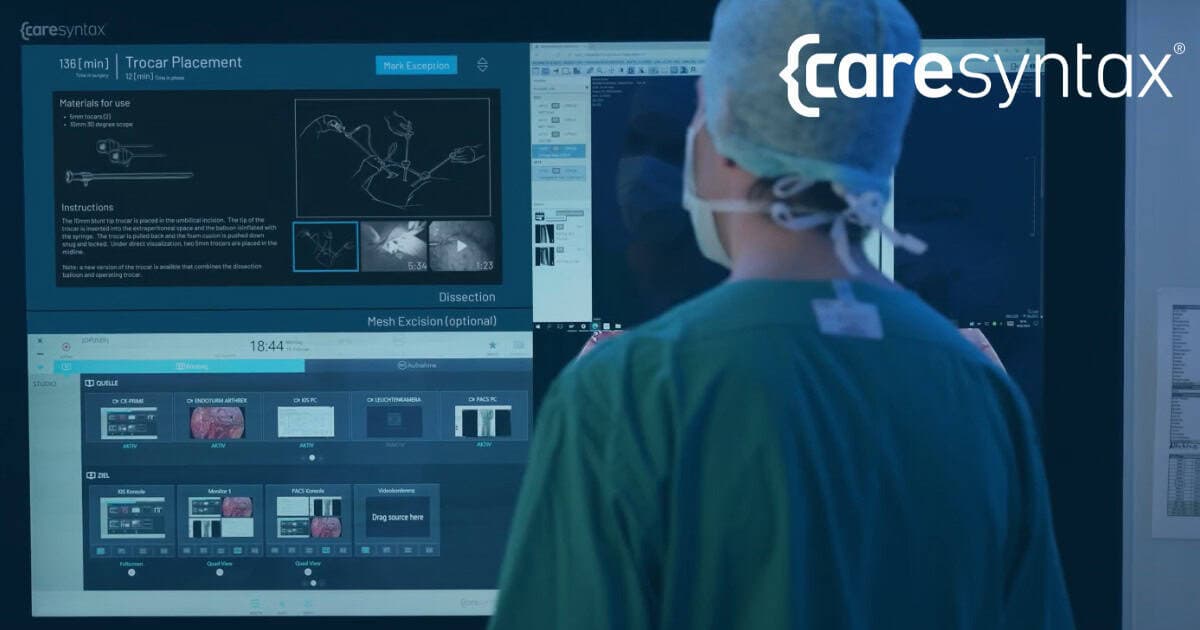
Pressures on hospitals have grown greater than ever in recent years. Staffing shortages, rising operational costs, and mounting inefficiencies in the operating room are putting tremendous strain on healthcare systems. At the same time, patient expectations for safer, faster, and more reliable care continue to rise; causing hospitals to ponder how to do more with less while improving outcomes.
One pragmatic boost hospitals can implement in the near term is harnessing the copious amounts of data available in operating rooms (ORs) and turning it into actionable insights. With new advances in video analytics and AI, hospitals can now address long-standing bottlenecks, streamline workflows, and ultimately provide safer surgical care.
The Challenges Currently Facing ORs
- Staffing shortages: The U.S. faces shortfalls of doctors and nurses in the coming decade, which will make meeting demand more difficult.
- Burnout and inefficiency: Delays, prolonged turnover times, and scheduling errors create stress for staff and wastes valuable OR time.
- Rising costs: Human error and increased patient expectations can strain tight budgets that have little room for inefficiency.
- Communication breakdowns: As many as 1 in every 3 OR interactions falter in some way, creating risk for errors and delays.
Turning Data Into Action
Hospitals generate massive amounts of data each day, including surgical videos, sensor feeds, checklists, and patient records. Today, multi-modal AI can transform these fragmented data streams into real-time, actionable intelligence.
Instead of waiting for problems to surface, hospital leaders and OR teams can proactively identify bottlenecks, streamline turnover, and reinforce compliance with critical safety protocols. The result is not just smoother operations, but more time for surgeons, nurses, and staff to focus on patient care
How the Technology Works
1. Capture: Discreet cameras are installed in operating rooms after hours to minimize disruption—in as little as four hours. These cameras capture high-fidelity video and audio without interfering in the clinical workflow.
2. Analyze: AI reviews video streams, identifying milestones such as patient entry, pre-anesthesia checks, surgical timeouts, and room turnover.
3. Report: Actionable dashboards and reports highlight delays, inefficiencies, and opportunities for improvement. Teams gain visibility into the flow of patients and procedures across every OR.
Measurable Outcomes
- Efficiency gains: Adding just one additional surgical case per day can generate more than $500,000 in annual revenue.
- Cost savings: Reductions in labor inefficiencies, same-day cancellations, and PACU holds can collectively save millions.
- Improved outcomes: Better adherence to safety checklists leads to fewer complications, shorter patient stays, and safer surgeries. For instance, in a recent case study, Caresyntax helped improve adherence to the pre-anesthesia checklist by 80%, reinforcing compliance with critical patient safety steps.
Enabling the Future Smart OR
- Real-time workflow management: Continuous updates on surgical status and patient flow, integrated with existing hospital systems.
- Automated documentation: AI tools simplifying charting for nurses and surgeons, reducing administrative burden.
- Expanded safety monitoring: From sterile field violations to inventory management, additional safeguards will enhance patient safety.
- System-wide integration: Extending beyond the OR into scheduling, pre-op, PACU, and supply chain to create a fully connected surgical ecosystem.
The Caresyntax Platform Transforms Any OR
Operating rooms are under immense pressure, but pressure can drive meaningful innovation. By advancing video analytics over the last 10 years, and now leveraging the capabilities of AI, Caresyntax’s vendor-neutral platform has given hospitals around the world an opportunity to reduce costs, streamline workflows, strengthen patient safety, and support overburdened clinical staff.
With support from Caresyntax, hospitals can be sure their ORs will continue to deliver safe, effective, efficient care in the face of growing challenges.