The fastest way to grow surgical volume is hiding in the minutes between cases. In dollars, the case for finding them is bigger than most capital requests.
Every Director of Perioperative Services hears the same question from the executive suite: how do we grow case volume? The familiar answers are expensive. Build more rooms. Recruit more surgeons. Extend the surgical day. Each one carries a capital request, a hiring plan, or a staffing fight.
There is a cheaper question worth asking first. What is the schedule doing with the minutes it already has?
The Minutes Between Cases Are the Opportunity
OR time is among the most expensive resources a hospital owns. A 2022 review that pooled fourteen published estimates put the mean cost of a single OR minute at $46, in 2022 dollars,1 and industry figures run as high as $100 per minute depending on facility and specialty.2 The same rooms are also the financial engine of the institution. The OR frequently generates 60 to 65 percent of a hospital's patient revenue.3
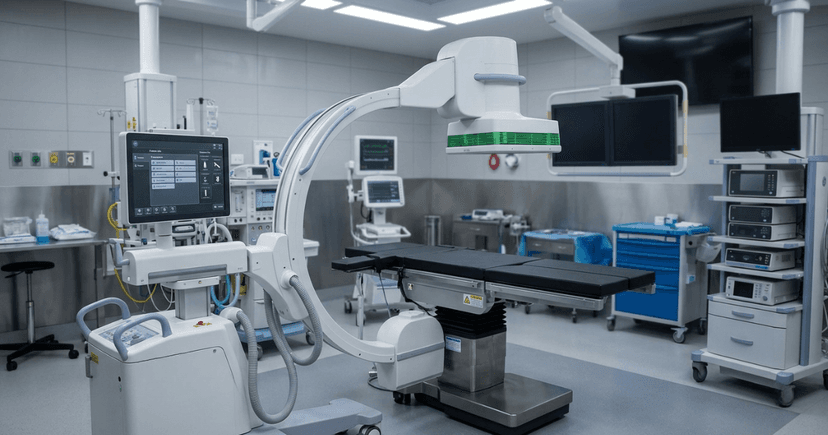
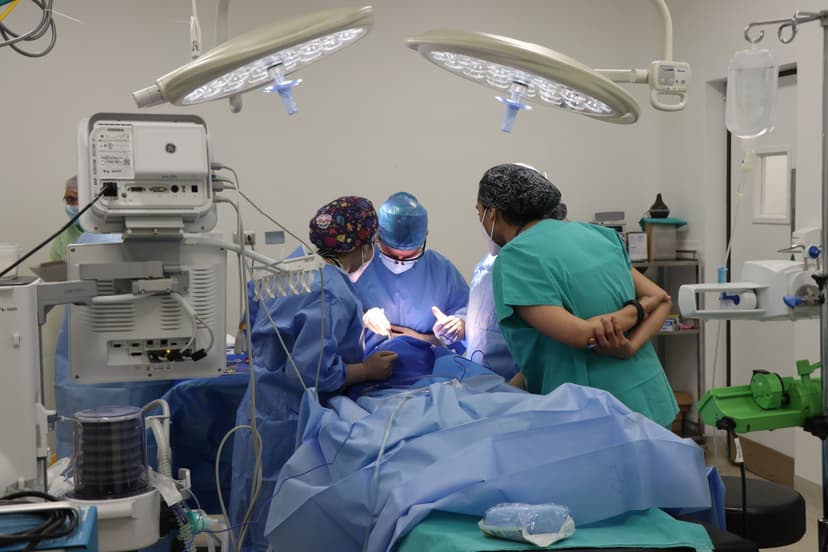
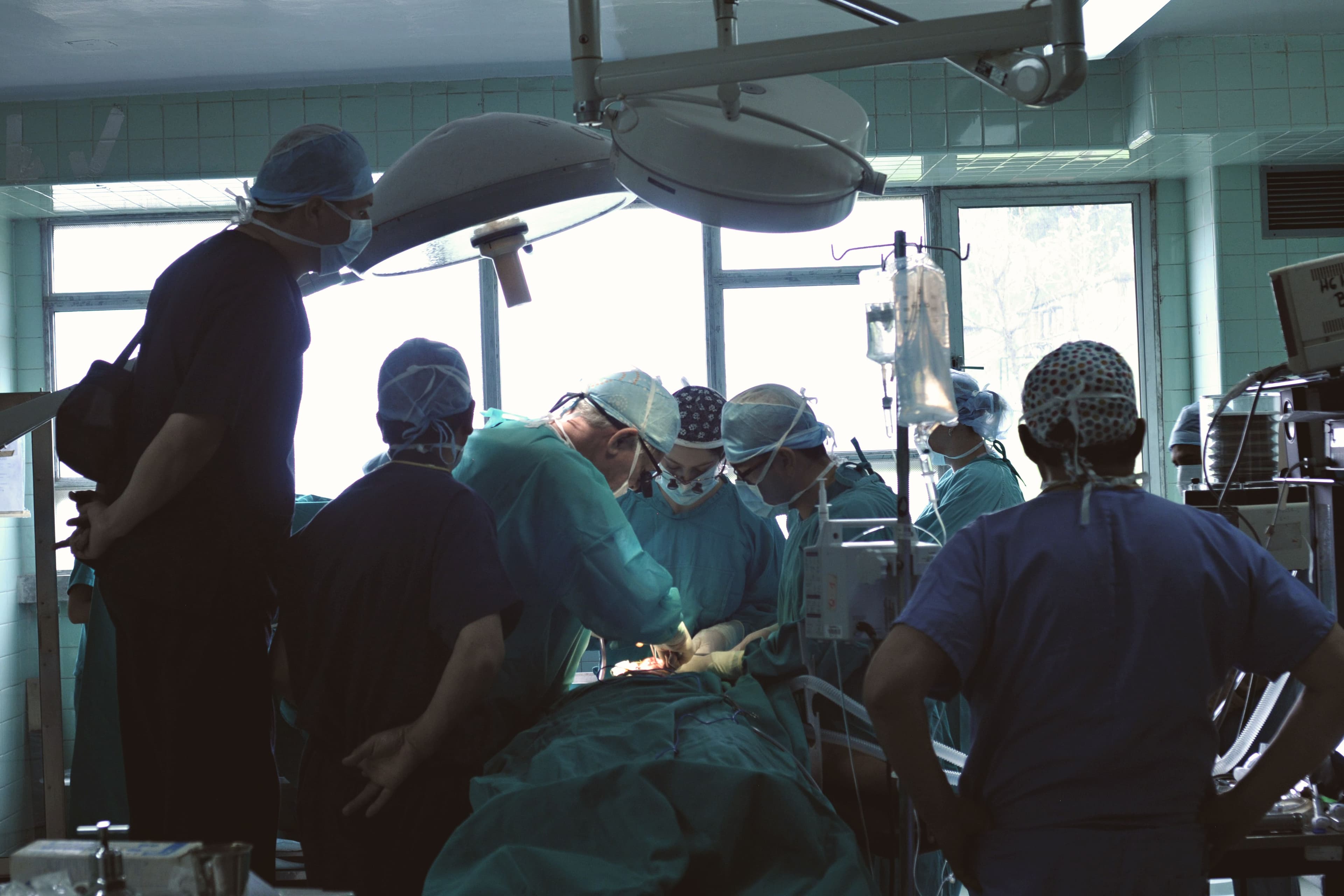
Between those two facts sits the surgical day. Turnovers that drift past their target. First cases that start late. Gaps between cases that nobody planned and nobody owns. Individually, each one costs a few minutes. Across six or eight rooms running in parallel, they add up to something more valuable: room for another case.
The Math of One More Case
More efficient teams produce shorter case times. Shorter case times and tighter turnovers produce more cases per day, in the same rooms, with the same staff. That compounding is where the financial argument lives.
Caresyntax analysis suggests that one additional case per day can represent up to $520,000 in potential revenue, or $182,000 in savings for facilities that use the recovered time to reduce labor costs instead. Either way, the value comes from time the facility has already paid for.
Published results point in the same direction. An academic medical center that ran two coordinated turnover interventions cut average turnover time by 20 percent across its service lines and recovered an estimated $18,000 per month in empty-room costs.4 A total joint arthroplasty program that streamlined its instrument trays reduced turnover by an average of 19 minutes per case, generating more than $250,000 in annual savings and creating headroom for additional case volume.5
Finding the Bottlenecks, and the Teams That Beat Them
Every one of those gains started the same way: with visibility into where the minutes were going.
Most perioperative leaders manage that question from memory and monthly reports. The reports arrive weeks after the pattern formed. The memory belongs to whoever was in the room. Analytics change what is visible. Data captured across hundreds of cases shows which case types consistently run long, where transitions add unnecessary time, and which rooms lose minutes at the same point in the day, every day.
The same data answers a second question that few facilities can answer today: which teams run the smoothest days? Certain staffing configurations turn rooms over faster. Certain team pairings hold their schedule under pressure. When leaders can see those patterns, staffing becomes a repeatable decision instead of a daily improvisation. The best-performing configuration becomes the template rather than the accident.
How Caresyntax Helps
Caresyntax automatically captures the operational milestones that define the surgical day and turns them into analytics leaders can act on. Turnover times, case durations, and idle gaps become a clear record by room, by team, and by service line. Bottlenecks surface with the context to address them. High-performing team patterns surface with the evidence to repeat them.
At Caresyntax client sites, this model has contributed to OR throughput improvements of up to 10 percent at individual deployments. The gains come from recovering time already on the schedule, case after case, day after day.
23% faster room turnover with the right staffing configuration can lead to $345,000 in potential revenue.
References
1. Smith T, et al. The Cost of OR Time is $46.04 per Minute. Journal of Orthopaedic Business, 2022. Mean of fourteen published estimates, adjusted to 2022 dollars. [source]
2. AORN. Why Your Operating Room Costs So Much. Cost of operating room time can reach up to $100 per minute depending on facility variable expenses and volume. [source]
3. Plante Moran. First Case On-Time Starts: A Proven Strategy to Improve Your OR Efficiency. The OR often generates 60 to 65 percent of patient revenues at an average hospital. [source]
4. Surgery (journal). Two interventions reduce operating room turnover time by 20% in an academic medical center. Systemwide 20 percent turnover reduction with estimated savings of more than $18,000 per month. [source]
5. An Efficiency Model for Decreasing Operative Room Turnover Time for Total Joint Arthroplasties. Average 19-minute turnover reduction generating over $250,000 in annual savings with potential to increase case volume. [source]