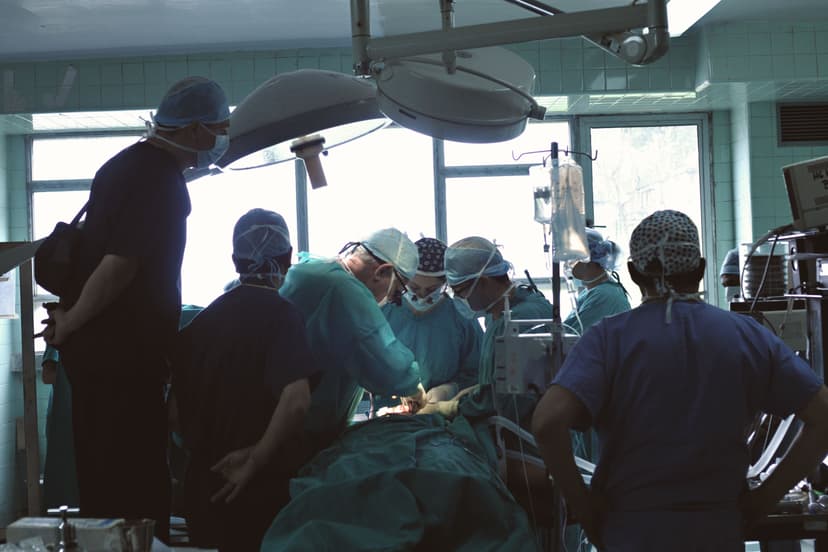
Around one in three communication exchanges in the operating room fails.1
Most of those failures trace back to the same root: the information existed, but it never reached the person who needed it in time.
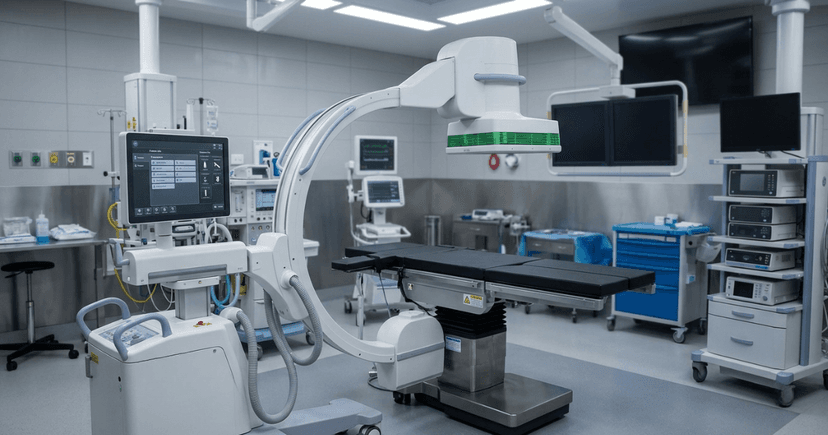
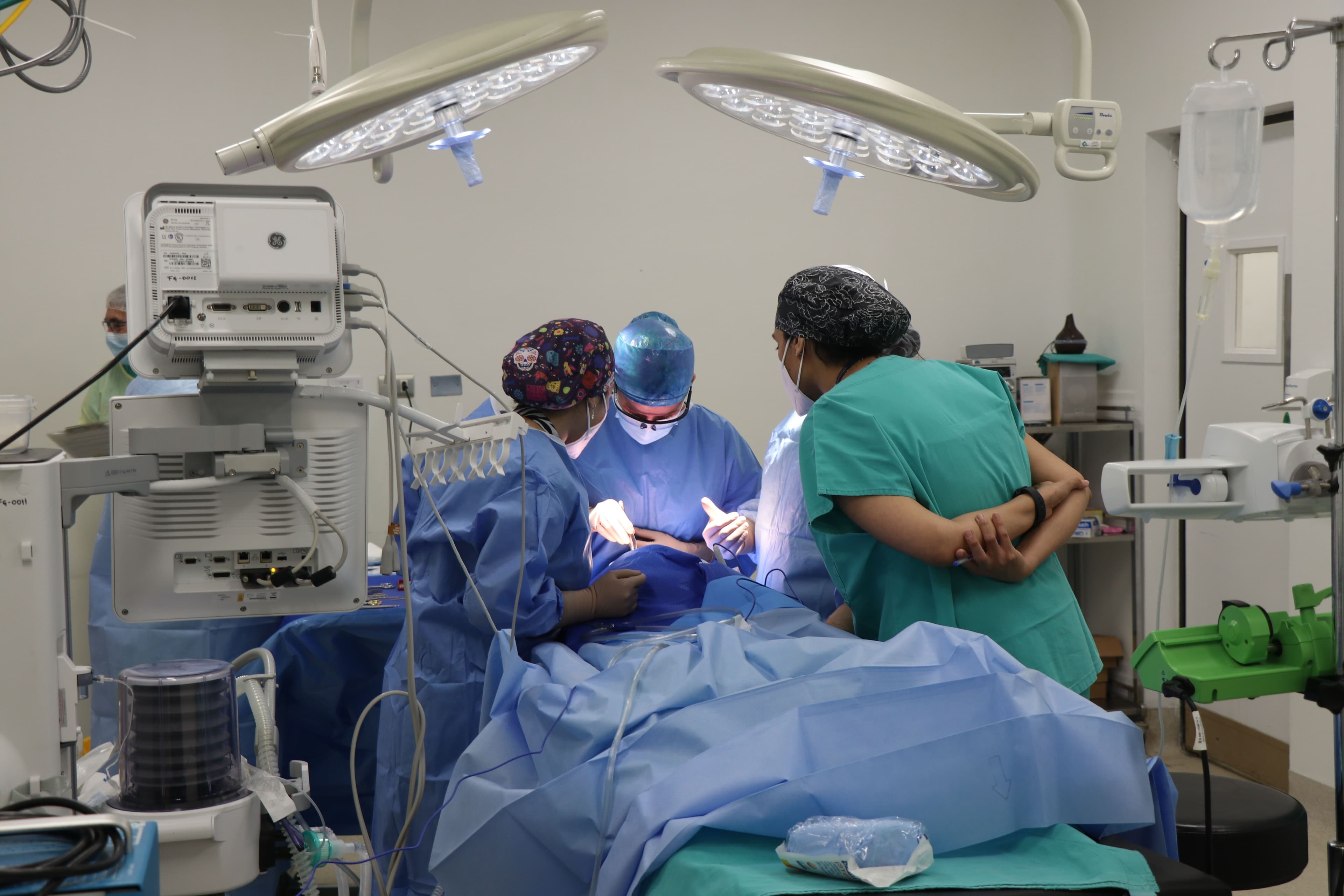
A single procedure generates video from multiple sources, a continuous stream of physiological readings, anesthesia records, device telemetry, and a trail of EHR entries. By the time the patient leaves the room, all of it has scattered. The video sits on one system. The vitals live on another. The notes go into the chart. Each piece is captured. Each piece is stranded.
For a COO, that scattering is the problem worth solving. The data is already being produced. The visibility is what's missing.
What Fragmentation Costs
When information lives in disconnected silos, the people who depend on it spend their time reassembling it. Clinical teams reconstruct what happened from memory and partial records. Operational leaders wait for a monthly report to learn what a live view could have shown them in the moment. The same questions get asked across departments because no one holds the full picture, and the answers arrive too late to change the outcome.
Nurses already spend up to 40% of their time on documentation.2 Layering manual coordination and data-chasing on top of that pushes the burden onto the people least able to absorb it. The result shows up across the surgical day as communication gaps, manual reporting that consumes hours of clinical and administrative time, decisions made on incomplete evidence, and avoidable risk when a critical detail never lands with the right person.
A Single Source of Truth, Built From What the Room Already Produces
The opportunity sits in aggregation. When video, sensor data, anesthesia records, and EHR entries are brought together in one place, they stop being four partial accounts and become one unbiased, holistic record of the entire procedure. Nothing new has to be generated. The room already produces it. The work is connecting it.
That integrated record changes what leadership can do with the surgical day. A unified view supports proactive management instead of retrospective review. Workflows and reporting that once required manual assembly run automatically. Communication gaps close because every team works from the same current information. And decisions rest on a complete account rather than a fragment of one.
From Raw Capture to an Actionable View
Aggregation is the starting point. The value compounds when that integrated data is analyzed and surfaced in a form leaders can act on. Caresyntax brings video, sensor, anesthesia, and EHR data together, applies AI-driven analytics, and presents the result in an actionable dashboard, with Power BI support for the reporting layer leadership already relies on.
The dashboard does more than describe a facility to itself. It lets teams benchmark their performance against comparable institutions, turning an internal record into a frame of reference. At Caresyntax client sites, this model has contributed to OR throughput improvements of up to 10% and pre-anaesthesia checklist adherence improvements of 80% at individual deployments.3 A COO can see how the organization's ORs run, understand why they run that way, and measure that against peers, all from a single integrated picture rather than a stack of disconnected exports.
What This Means for the C-Suite
For a COO, the integrated record is the foundation everything else builds on. Proactive management depends on seeing operations as they unfold. Automated workflows and reporting depend on data that connects without manual intervention. Better decisions depend on a complete, unbiased account. Each becomes possible the moment surgical data stops living in silos and starts working as one system.
The OR will keep generating more data than almost any room in the hospital. The question for leadership is whether that data stays trapped where it's captured, or becomes the single source of truth the organization runs on.
References
1. Lingard L, et al. Communication failures in the operating room: an observational classification of recurrent types and effects. Qual Saf Health Care. 2004;13(5):330-334. Approximately 30% of team exchanges involved a communication failure. pubmed.ncbi.nlm.nih.gov
2. U.S. Surgeon General's Advisory on Building a Thriving Health Workforce. Nurses spend approximately 40% of their shift on documentation. Via AACN. aacn.org
3. Caresyntax client outcomes. OR throughput improvements of up to 10% and pre-anaesthesia checklist adherence improvements of 80% at individual deployments. caresyntax.com/customers