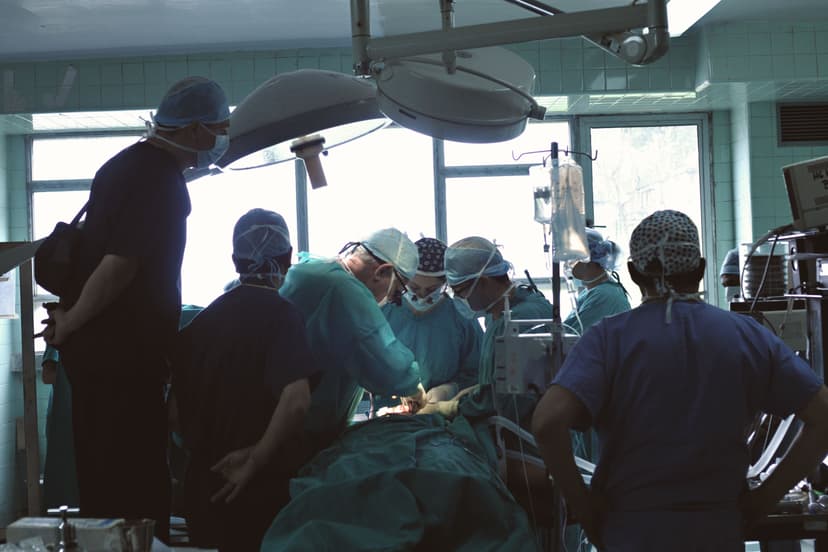
Surgical data integration is not a futuristic vision, it’s a tangible solution for enhancing patient safety and operational efficiency. In the same way athletes use video in sports to improve performance, surgeons and staff can use video as an objective record for review of their own performance. It allows for detailed analysis of technique, strategy, and decision-making, highlighting areas for improvement that might be missed in the heat of the moment. At the system level, hospitals can gain unprecedented insights into surgical processes by incorporating data from the often-overlooked wealth of information in surgical videos. The granular level of analysis granted by video allows for the identification of potential safety risks, such as deviations from established procedures or inconsistencies in instrument handling.
Analyzing surgical workflows can reveal opportunities for optimization, leading to streamlined processes, reduced procedure times, and improved resource allocation. This data-driven approach translates to fewer complications, shorter hospital stays, and ultimately, better patient outcomes, while simultaneously increasing the efficiency and cost-effectiveness of surgical departments.
Even more importantly, using video data in partnership with a Patient Safety Organization (PSO) ensures confidential use of that data, shifting the focus from traditional blame and responsibility, to a consistent drive for surgical quality and patient safety.
In a recent white paper, Caresyntax discussed its partnership with a prominent United States healthcare system to demonstrate the value of multi-modal analytics to improve surgical workflow and process and to identify opportunities to improve compliance with universal protocols in operating rooms (ORs).
The Study
Utilizing in-room videos, the team focused on the pre-anesthesia timeout, a critical safety checkpoint in the preoperative process. Across the world, as much as 30% of timeouts fail to adhere to pre-surgical protocols, with poor communication and inconsistent compliance being the most frequent issues reported.
However, every institution is unique, and the partnership wanted to compare against a realistic baseline. Caresyntax first established a baseline assessment by analyzing video of more than 225 timeouts, measuring staff adherence to a 15-point checklist implemented by the hospital system. The baseline assessment focused on points of weak communication or divergence from protocol.
The Surgical Services Department gave targeted educational interventions to emphasize the importance of each checklist step and improve communication trouble spots. Education sessions included sharing de-identified "game tape" and evaluating what could have been done better. Visual feedback is crucial for correcting bad habits and reinforcing proper technique, and the interventions led to immediate behavioral changes.
Following the baseline and education sessions, the study analyzed a new set of 450 recorded timeouts, with dramatic improvements of 15% to 80% in all categories of compliance with the pre-induction checklist, including:
- Ensuring timeout leadership by anesthesia
- Confirming equipment and supply use
- Identifying airway/aspiration and blood loss risks
Since the study, the hospital system has maintained its vigilance and education practice, using multi-modal assessment and training as a core tenet of quality improvement.