The Hidden Cost of a Late Start: Why First Case Delays Derail Your Entire OR Day
|3 min read

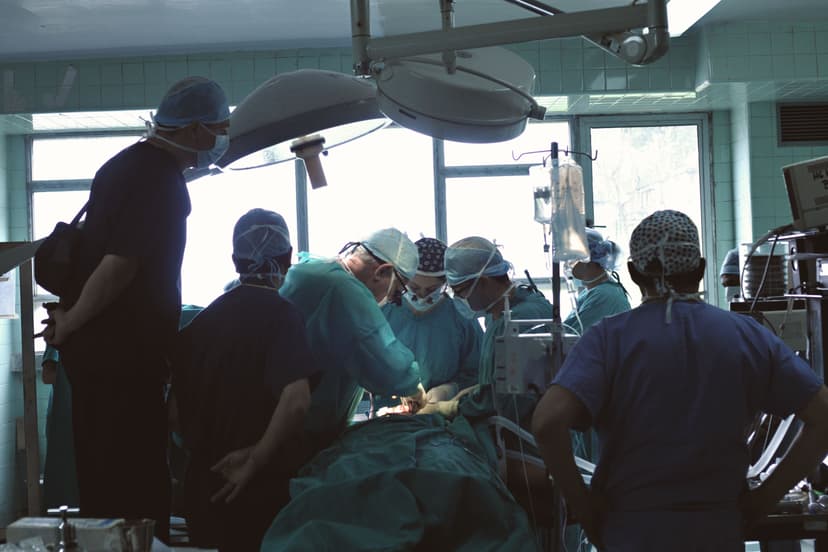
Somewhere in your facility right now, someone is watching a clock. The patient is ready. The room is ready. The surgeon is not. In ten minutes, that gap stops being a scheduling problem and becomes everyone's problem for the rest of the day.
Operating rooms don't have slack built into them. They're engineered for throughput, case after case, with transitions measured in minutes. Which means the ten minutes lost at 7am don't disappear - they travel. Through the second case, the third, into the afternoon, compressing the schedule at every step until surgical teams are making decisions under pressure that should have been made calmly, and patients are waiting in pre-op for news that keeps getting pushed back.
By the time the last room closes, what started as a surgeon running behind has become unplanned overtime, frustrated staff, and a cost that rarely gets traced back to its origin.
The chain starts earlier than you think
Ask most perioperative leaders where first case delays come from and they'll mention the surgeon. Ask the surgeon and they'll mention something else entirely. They're both usually right, and neither answer is the full picture.
Pre-op documentation that wasn't completed the night before. A patient held up in transport. Anesthesia waiting on a lab result that should have been flagged two hours earlier. An instrument not confirmed at case-start. The surgeon walking in late is often the last event in a sequence that was already broken before anyone arrived in the building.
This is what makes first case delays so persistent. The cause and the symptom are separated by enough time and enough people that the post-hoc debrief never quite reaches the root. Leaders have the same uncomfortable conversations. Hunches circulate. Patterns go unaddressed because they can't be proven. The following Monday, it happens again.
What changes when the whole team sees the same picture
Most perioperative environments run on fragmented information. Pre-op has its view. The OR team has theirs. Transport has no view at all. Nobody is being careless - they're just working from an incomplete picture of what's happening across departments in real time.
When that picture becomes shared - when the whole team can see where the patient is, whether pre-op is complete, who has been notified and who hasn't - the dynamic shifts. Problems surface while there's still time to respond. A missing consent form gets flagged before the surgeon arrives. A transport delay triggers a notification early enough that the anesthesia team can adjust. The day doesn't run perfectly, but it runs with awareness instead of surprise.
The second thing that changes is the conversation afterward. Consistent data on delay causes over time is a different thing entirely from one leader's recollection of a difficult morning. It shows you whether the problem is a specific day of the week, a gap in pre-op staffing, a process that was never designed for the volume it's now handling. The conversation stops being about who and starts being about what - which is the only version of that conversation that leads anywhere useful.
How Caresyntax helps
Caresyntax captures operational milestones across the surgical day automatically and surfaces them in a live dashboard the whole team works from. When a delay occurs, perioperative leaders can see what happened, when, and how it sits against historical patterns across their facility.
No reconstructing the morning from memory. No spreadsheets after the fact. A clear, shared account of how the day actually ran - and the trend data to understand why it keeps running that way.